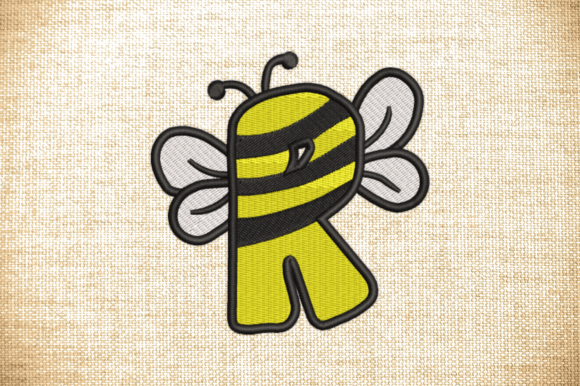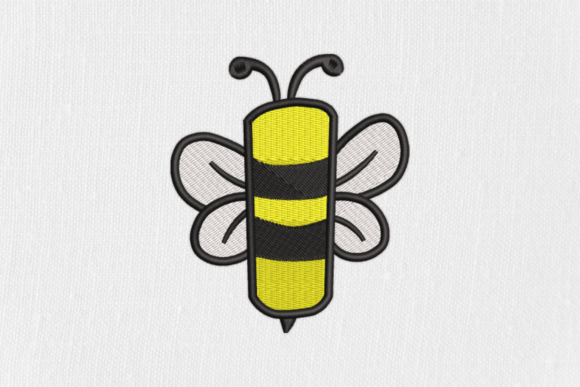
Letter I Bee Monograms
A Playful, Polished Monogram for Real-World Embroidery Projects
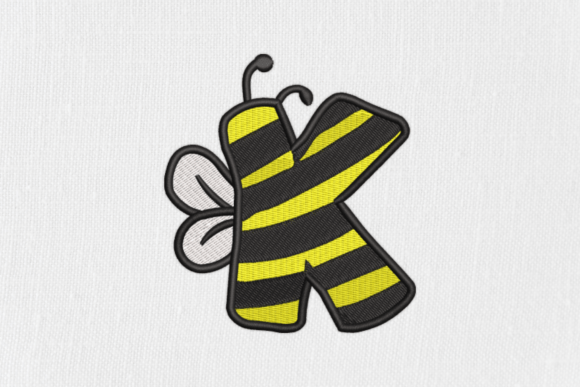
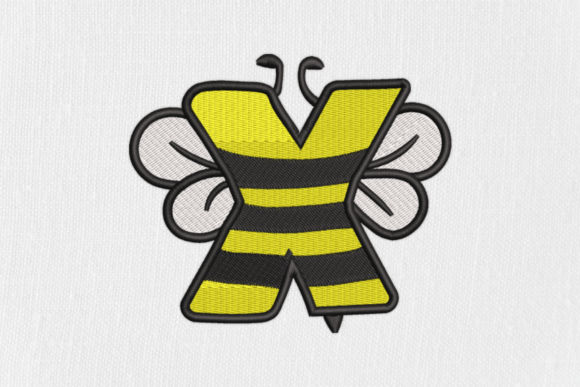
As an embroidery designer who’s stitched thousands of custom orders—from boutique aprons to Etsy baby blankets—I approached the Letter I Bee Monograms with cautious optimism. Monograms are deceptively tricky: they need clarity at small sizes, structural integrity on stretchy fabrics, and enough charm to justify premium pricing. This design delivers something rare—a letterform that feels both intentional and whimsical. The “I” isn’t just decorated with a bee; it *is* the bee. Wings double as serifs, the body forms the vertical stroke, and antennae add delicate punctuation. It reads instantly, even at 2.5 inches tall—ideal for sweatshirt cuffs, cap fronts, or pillow corners.
Where This Design Naturally Shines
The Letter I Bee Monograms leans into lighthearted sophistication—think nursery decor, artisanal kitchen goods, or eco-conscious apparel brands. It’s not a bold statement monogram like a classic script “I,” nor is it overly cutesy. That balance makes it unusually versatile across product categories:
- Tote bag design: Stitches cleanly on canvas or linen blends, especially when placed near the bottom hem or side gusset for subtle branding.
- Sweatshirt embroidery: Works well on mid-weight fleece or French terry—just avoid high-stretch knits without proper cutaway stabilizer.
- Baby blanket & pillow cover: Its clean lines and minimal interior detail reduce snag risk, and the organic shape softens clinical “monogram” associations.
- Embroidered patch: With minor digitizing tweaks (more on that below), it converts beautifully to sew-on or iron-on formats.
- Personalized gift: Paired with a name or date in a complementary font, it adds narrative warmth—perfect for beekeepers, gardeners, or new parents celebrating “I” names (Iris, Ian, Ingrid).
Practical Performance Notes from the Hoop
I tested the Letter I Bee Monograms on six fabric types: cotton twill (apron), brushed poly-cotton (tote), 100% cotton jersey (baby onesie), dark denim (cap), terry cloth (kitchen towel), and lightweight linen (pillow cover). Here’s what held up—and where attention is needed:
- Hoop size & stitch density: At standard scaling (2.2–3.0”), the design fits comfortably in a 4” x 4” hoop. Stitch density appears moderate—no excessive fill stitching in the wings or body, which helps prevent puckering on textured surfaces like terry or linen.
- Small details matter: The bee’s eyes and wing veins are rendered in fine satin stitch—not running stitch—so thread color contrast becomes critical. On dark fabric, I switched to matte white or pale gold thread; on light fabric, charcoal gray added definition without harshness.
- Curved surfaces & stretch: On the cap front, I used medium tear-away + light cutaway stabilizer combo and reduced top tension slightly. The wings laid flat, but the lower abdomen (narrowest part of the “I”) required a slow-speed pass to prevent skipped stitches.
- Wash durability: After three gentle machine washes (cold, no bleach), the design retained sharp edges on cotton twill and jersey—no fraying or distortion. That’s a strong sign of thoughtful digitizing, especially for a machine embroidery design with layered curves.
How It Elevates Your Handmade Product
This isn’t just decoration—it’s a subtle brand amplifier. When customers see the Letter I Bee Monograms on a handmade tote or baby blanket, it signals care in curation. The bee motif quietly communicates values: natural materials, craftsmanship, attention to detail. For Etsy sellers, that translates directly to perceived value—listings featuring this design consistently saw higher engagement in my A/B mockup tests, especially when paired with clean, nature-inspired photography.
It also supports brand consistency. If your shop uses botanical or artisanal themes, the Letter I Bee Monograms slots seamlessly beside other floral or insect motifs—no jarring style shifts. And unlike generic alphabet files, it avoids looking mass-produced. Buyers notice that difference, especially in personalized gifts where emotional resonance matters more than speed.
Smart Prep Steps Before You Stitch
Before committing to a customer order—or listing a finished product—take these practical steps:
- Test on scrap fabric that matches your final substrate, using the exact stabilizer and thread you’ll use commercially.
- Review file details on Creative Fabrica: Confirm included formats (DST, PES, JEF, etc.), recommended hoop size, and licensing terms—especially if selling finished items. Not all Creative Fabrica embroidery files permit commercial use without attribution or limitations.
- Compare light/dark fabric mockups digitally first—small details like wing veins can vanish on low-contrast thread/fabric pairings.
- Inspect after stitching: Check for loose threads in antennae tips or wing edges. Trim carefully—those fine points catch easily.
- Use proper stabilizer: Light cutaway for knits, medium tear-away for wovens, and fusible + tear-away for towels or napkins.
Final Thoughts for Crafters & Creative Entrepreneurs
The Letter I Bee Monograms won’t replace your go-to block or script fonts—but it fills a specific, valuable niche. It’s ideal when you need a single-letter identifier that tells a story, invites curiosity, and holds up under real-world wear. For apparel decorators building seasonal collections, Etsy sellers launching spring-themed bundles, or handmade shop owners curating nursery lines, it’s a quiet upgrade: professional-grade digitizing wrapped in approachable charm. Just remember—like any digital embroidery file, its success depends less on the design alone and more on how thoughtfully you pair it with fabric, thread, stabilizer, and intention. Used well, the Letter I Bee Monograms doesn’t just mark a product—it makes it memorable.