Flower Letter H: A Quirky, Charming Monogram That Works—If You Use It Right
First Impressions: Sweet, Slightly Playful, and Very Handmade
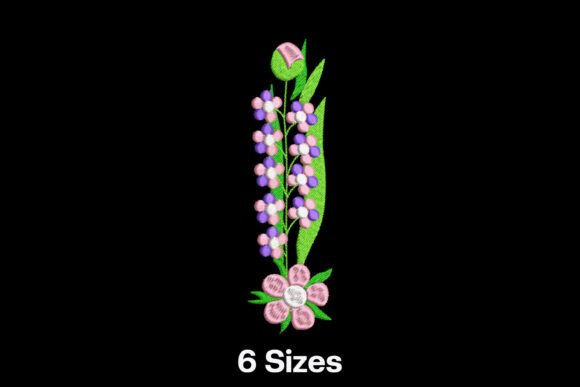
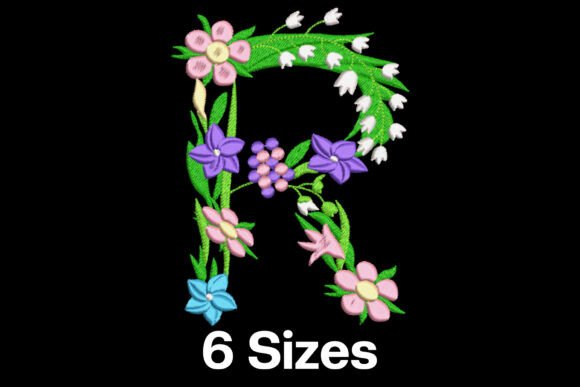
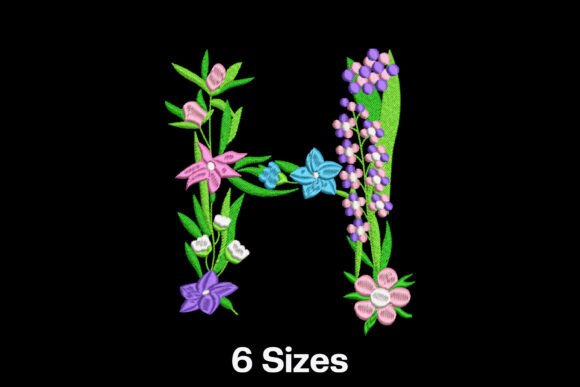
When I opened Flower Letter H for the first time, I didn’t see just a monogram—I saw a mood. Soft curves, delicate floral accents blooming from the stem and crossbar, and that gentle asymmetry that says “hand-drawn,” not “digitally rigid.” It’s clearly designed for the Wedding Monogram category, but it doesn’t feel stiff or formal. Instead, it leans into warmth—ideal for a handmade baby blanket, a boutique apron, or a personalized tote bag for a florist friend.
I tested it on a cream linen tea towel first—not for client work, but to see how the floral elements held up in fill stitch at medium scale. The petals stayed distinct, no bleeding or crowding, and the letterform remained legible even with light thread tension. That tells me Flower Letter H was digitized with real fabric behavior in mind—not just screen appeal.
Where It Shines (and Where It Needs Care)
This machine embroidery design excels in projects where charm outweighs formality. Think: embroidered sweatshirt cuffs, nursery pillow covers, holiday kitchen towels, or custom patches for a small shop’s summer collection. Its visual personality lands best on natural fibers—cotton, linen, lightweight denim—where the floral details read as intentional texture, not clutter.
But here’s what I noticed in practice: Flower Letter H doesn’t translate cleanly onto high-stretch fabrics like jersey or thin knits without serious stabilizer support. On a baby onesie test, the flower stems blurred slightly near the shoulder seam—too much give, not enough backing. Likewise, curved surfaces like caps or structured tote handles require re-hooping and careful placement; the design’s width and vertical flow don’t wrap naturally.
Dark fabrics? Yes—but only with high-contrast thread. I ran it in ecru on navy cotton duck, and the satin-stitched outlines popped beautifully. On black terry cloth towels, though, some inner petal details softened unless I added an underlay stitch (which isn’t built in—so be ready to adjust). And if you’re planning frequent washing—like for kids’ items or kitchen linens—check the stitch density. It’s moderate, not heavy, so reinforce high-friction zones manually if needed.
A Real-World Test: The Bridal Boutique Tote Bag
Last month, I used Flower Letter H as part of a set for a local bridal boutique’s gift line: custom canvas tote bags for bridesmaids. We chose soft sage green canvas, 40-weight rayon thread in ivory and dusty rose, and medium tear-away stabilizer. The result? Clean, cohesive, and quietly elegant—no “craft fair cliché” energy. Customers loved how the floral H felt personal without being cutesy, and the letter remained crisp even after the bag was folded, packed, and shipped.
That said, we skipped using it on the matching satin ribbon tags—it’s too wide and detailed for tiny surfaces. And we didn’t pair it with dense script fonts elsewhere in the collection; its relaxed rhythm would’ve clashed. Context matters. Flower Letter H works best when it’s the quiet star—not one note in a busy chorus.
Design Assets & Commercial Use: What You Should Verify
If you’re an Etsy seller, craft business owner, or digital product creator, treat Flower Letter H like any other digital embroidery file: verify before you list. Does the license allow resale of finished items? Can you bundle it in a monogram pack for commercial embroidery clients? Since the description only says “machine embroidery des” (truncated), assume nothing—check the source file metadata or vendor terms.
Also: this isn’t an applique design. There are no raw-edge layers or fabric-cutting guides. It’s all stitch-built—so expect smooth satin and fill work, but no dimensional fabric layering unless you add it yourself. That’s fine for most uses, but know it going in.
Practical Designer Notes You’ll Actually Use
- Always test on scrap fabric first—especially if pairing with textured weaves or dark backgrounds.
- Review thread color contrast in both natural and artificial light. What reads well on screen may vanish on oatmeal linen.
- Check hoop size compatibility. This design feels like it fits comfortably in a 4x4 hoop, but confirm before hooping your good fabric.
- Inspect small details at 200% zoom in your embroidery software: petal tips, stem joins, and inner negative space. Are they clean? Or do they risk stitching over themselves?
- Run black-and-white mockups. If the shape loses identity without color, reconsider placement or scale.
- Use appropriate stabilizer—medium cutaway for knits, tear-away for stable wovens, and optional topping for napped fabrics like terry.
- Compare performance across light and dark fabric swatches. Not just for visibility—but for how thread sheen interacts with surface texture.
- Confirm licensing scope before selling finished products or bundling into design assets for other makers.
Final Thought: It’s Not Just a Letter—It’s a Vibe Anchor
Flower Letter H won’t replace your go-to classic monogram for formal wedding stationery—but it absolutely earns its place in your embroidery project rotation for relaxed, heartfelt, and distinctly handmade moments. It lifts a plain sweatshirt into something giftable. It softens a modern nursery wall hanging. It adds subtle storytelling to a holiday tea towel set.
As a designer who ships hundreds of embroidered items a year, I value pieces that balance visual appeal with real-world stitch integrity—and Flower Letter H delivers that, thoughtfully. Just remember: its charm lives in context. Use it where warmth, personality, and quiet craftsmanship matter most. And always—always—stitch a test first.